
Understanding the Role of Atmosphere in Casino Design
The atmosphere of a casino is meticulously crafted to create an immersive experience for patrons. Elements such as lighting, sound, and decor work together to establish a specific ambiance that encourages visitors to stay longer and engage more deeply with the environment. For instance, soft lighting and vibrant colors can evoke feelings of excitement and relaxation, drawing people in and making them feel comfortable in the space. This careful orchestration of sensory elements plays a significant role in manipulating emotions and behaviors, turning casual visitors into dedicated players who enjoy activities like australian online pokies payid for even more excitement.
Moreover, casinos often employ design strategies that cater to human psychology. The use of open spaces can create a sense of freedom and exploration, encouraging guests to wander through the gaming floor and discover various games and amenities. This openness is pivotal in maintaining a fluid flow of traffic, enabling players to easily transition from one area to another. The strategic placement of machines and tables is not just about aesthetics; it’s an intentional design choice that aims to extend the duration of play and enhance the overall experience.
Furthermore, the arrangement of gaming areas is instrumental in fostering social interactions among patrons. By designing spaces that encourage group gatherings and shared experiences, casinos tap into the social nature of humans, promoting camaraderie and competition. This social engagement can lead to longer visits as players become absorbed not only in the games but also in the connections formed with others around them, ultimately boosting the casino’s revenue and patron loyalty.
The Psychological Impact of Colors and Sounds
Colors and sounds are powerful tools in casino design, influencing mood and behavior in profound ways. For example, red is commonly used in various aspects of casino decor because it evokes feelings of excitement and energy, while blue tones foster calmness and focus. A well-thought-out color palette can subtly guide patrons’ emotional responses, impacting their willingness to gamble and spend money. Each hue is chosen with purpose, creating a visual language that resonates with the psychological underpinnings of the visitors.
In addition to colors, soundscapes play a crucial role in enhancing the gambling experience. The rhythmic sounds of slot machines, the clinking of chips, and the cheers from winning players create a vibrant auditory environment that heightens excitement. These sounds are not incidental; they are intentionally engineered to stimulate players’ senses and reinforce positive experiences. The pleasant cacophony of a casino can create an atmosphere of anticipation and thrill, encouraging visitors to keep participating in games and activities.
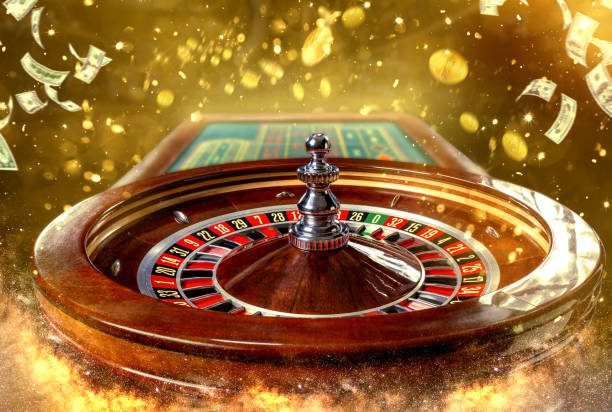
The interplay between color and sound becomes even more complex when considering different gaming sections within casinos. For instance, a high-energy area may feature louder sounds and bright, stimulating colors, while quieter lounges might utilize softer tones and ambient music to cultivate relaxation. This strategic variation not only accommodates different player preferences but also influences their behaviors in ways that maximize entertainment and revenue for the casino.
The Importance of Layout and Navigation
The layout of a casino is a significant element influencing how players interact with the space and the games available to them. An effective design ensures that patrons can easily navigate the casino without feeling overwhelmed or lost. By creating a logical flow from gaming areas to dining options and entertainment venues, casinos can guide visitors through their offerings, encouraging them to explore different experiences and spend more time within the establishment.
Casinos often employ a maze-like structure, where players can wander through the gaming floor without clear sightlines from entrance to exit. This design choice is deliberate, as it promotes an atmosphere of discovery. Players who are unsure of their surroundings may feel compelled to try more games or visit additional amenities, effectively increasing their engagement levels. The lack of direct pathways keeps patrons intrigued and eager to explore every corner, enhancing the overall gambling experience.
Furthermore, the strategic placement of pathways and signage can impact how players perceive their gambling journey. Clear signage and intuitive navigation reduce confusion, making players feel more comfortable and welcomed. In contrast, complicated layouts may frustrate visitors, leading to shorter stays and decreased spending. Therefore, a well-thought-out layout not only enhances the aesthetic appeal of a casino but also serves as a critical factor in optimizing player satisfaction and revenue generation.
The Influence of Rewards and Incentives on Behavior
The psychology of rewards is deeply interwoven into the design of casinos, as they understand the powerful impact of incentives on player behavior. Casinos frequently utilize loyalty programs, jackpots, and promotional offers to encourage repeat visits and prolonged engagement. These rewards create a sense of achievement and excitement, drawing players back in with the promise of tangible benefits that resonate with their desire for recognition and success.

In addition to traditional rewards, many casinos have integrated gamification elements into their offerings. This concept utilizes game design principles to enhance motivation and engagement, often through point systems or challenge-based incentives. Players may feel more compelled to participate when they can track their progress and see the potential for accumulating rewards. This technique taps into intrinsic and extrinsic motivations, making gambling not just an activity but an engaging experience that appeals to a variety of psychological needs.
The design of gaming machines themselves often incorporates feedback mechanisms that amplify this sense of reward. From celebratory graphics and sounds for wins to engaging animations that unfold upon receiving bonuses, these elements work in tandem to elicit a stronger emotional response from players. By continually reinforcing the thrill of winning and the desirability of achieving higher rewards, casinos can ensure that their patrons remain engaged and motivated to continue playing.
Why Understanding Casino Design Matters for Players and Businesses
Understanding the psychology behind casino design is invaluable not just for industry professionals but also for players who wish to enhance their gaming experiences. By recognizing how design elements influence decision-making and emotional responses, players can make more informed choices about their gambling habits. This knowledge empowers them to navigate casinos with a critical eye, potentially preventing overspending and promoting responsible gaming.
For businesses operating within the gaming industry, insights into psychological principles can guide more effective strategies for attracting and retaining customers. By prioritizing the design aspects that resonate most with players, casinos can create more appealing environments that lead to sustained success and profitability. This understanding is particularly crucial in a highly competitive market, where differentiation and customer experience can make or break a business.
Moreover, engaging in ongoing research regarding the impact of design and psychology can lead to the evolution of casino strategies over time. As consumer preferences shift and new technologies emerge, staying attuned to the latest psychological findings can foster innovation that keeps the gaming experience fresh and appealing. Casinos that adapt their designs in line with psychological principles are more likely to thrive and build loyal customer bases in the long run.